Blog-ENG
The different types of training for bodybuilding
By Guillaume Duchesne, kinesiologist · Updated June 7, 2023 · 7 min read

Strength training has become increasingly popular in recent years. Indeed, many people want to improve their physical condition, lose weight or simply feel better about themselves. There are several types of strength training, each with their own moves, goals, and benefits. In this text, we will present the most popular types of training and their advantages, then make a comparison between each type of training.
Types of strength training (in hypertrophy)
1. Strength training
Strength training, also known as resistance training, is one of the most popular and effective types of training in bodybuilding. This workout aims to increase strength, muscle mass, bone density and the ability to burn fat by lifting heavy weights in a fast effort. Typical exercises include squats, bench presses, and deadlifts, and are usually characterized by multiple sets of less than 8 reps.
Strength training can be done with free weights such as dumbbells and bars, or with weight machines. It’s important to start with appropriate weights for your strength level and progress slowly and steadily. An effective strength training program includes a variety of exercises to target different muscle groups, along with ample recovery time between workouts.
The movements used in strength training are often associated with weightlifters and powerlifters, but it can be useful for anyone looking to improve their performance in their sport!
Here are some of the most common benefits of strength training:
1. Increases muscle strength
One of the most obvious benefits of strength training is that it increases muscle strength. By lifting heavy weights, the muscles are put under tension which stimulates the growth of muscle fibers and improves strength. Strength training is especially beneficial for athletes and people looking to improve their performance in specific sports.
2. Improves muscle mass
In addition to increasing muscle strength, strength training can also increase muscle mass. Building muscle is essential for a healthy metabolism and helps burn calories even at rest, not just during physical activity. Strength training is especially beneficial for people looking to build muscle mass and physical appearance.
3. Increases bone density
Strength training can also increase bone density, reducing the risk of injuries like fractures and osteoporosis. Lifting heavy weights, which takes a lot of effort over a short period of time, places stress on the body that stimulates bone growth and increases bone density, not just muscle fiber strength.
4. Improves body composition
Strength training can help reduce body fat percentage and increase muscle mass, which improves overall body composition. A healthy body composition is essential for optimal health and can help reduce the risk of chronic diseases such as type 2 diabetes, heart disease and cancer.
5. Improves posture and stability
Strength training can also improve posture and stability. By strengthening back, leg and core muscles, strength training movements can help maintain good posture even outside of the gym. We know that good posture reduces the risk of injury!
2. Circuit training
Circuit training is a popular training method that combines resistance training and cardiovascular training in one session. Exercises are performed in a specific, timed order, with little or no recovery time between exercises. Exercises can be done with free weights, weight machines, or just body weight.
The benefits of circuit training are numerous and can have a significant impact on overall health and well-being:
1. Improves general physical condition
Circuit training is an effective method for improving overall fitness. By combining resistance training and cardiovascular training, this workout can increase muscle strength, muscle mass, cardiovascular capacity, and flexibility.
2. Burns calories
Circuit training is also an effective method for burning calories. By combining resistance training and cardiovascular training, this workout can increase metabolism and burn calories for a long time, even after training.
3. Saves time
Circuit training can be done in less time than resistance training or cardiovascular training separately. This can be especially beneficial for people with busy schedules or time constraints.
4. Can be customized
Circuit training can be customized to meet individual needs. Exercises can be modified to target specific muscle groups or to meet specific fitness needs.
5. Offers variety
Circuit training can be an effective way to add variety to your workout routine. Exercises can be changed regularly to avoid boredom and to stimulate muscle growth.
If you’re still unsure, why not start with a few sessions with a private trainer? Private coaches specialize in creating training and nutrition programs that are perfectly suited to your body, your physical goals and your schedule. And good news, we have the best private trainers near you!
3. Superset training
Superset training is a method of resistance training that involves stringing together two different exercises with no recovery time in between. The two exercises are usually targeted at opposing muscle groups, such as biceps and triceps or quadriceps and hamstrings, allowing regular rest times between the same muscle.
Supersets can be done with free weights, weight machines, or just bodyweight for great results:
1. Stimulates muscle growth
Superset training can stimulate muscle growth by providing an intense training stimulus. Stringing together two different exercises with no recovery time allows the muscles to work harder and longer, which can help stimulate muscle growth.
2. Improves muscular endurance
Superset training can improve muscular endurance by increasing the number of repetitions performed during training. Supersets can also increase the ability of muscles to recover quickly between sets.
3. Burns calories
Superset training can burn calories by increasing training intensity. Doing two different exercises without recovery time increases your heart rate and metabolism, which can burn more calories during and after your workout.
4. Saves time
Superset training can save time by reducing recovery time between sets. This means you can get more work done in less time, which can be especially beneficial for people with busy schedules or time constraints.
5. Can be customized
Superset training can be customized to meet individual needs. Exercises can be modified to target specific muscle groups or to meet specific fitness needs.
6. Offers variety
Superset training can provide variety to your training routine by adding a new dimension to your exercises. Supersets can be changed regularly to prevent boredom and to stimulate muscle growth.
A custom program, wherever you are in Quebec
Online coaching with Guillaume, kinesiologist.
4. Dropset training
Dropset training is a strength training method that involves gradually reducing the weight used during an exercise, with no recovery time between each weight reduction. This technique is often used to maximize training intensity and stimulate muscle growth.
Here are some of the benefits of dropset training:
1. Stimulates muscle growth
Dropset training can stimulate muscle growth by providing an intense training stimulus. By gradually reducing the weight used during exercise, muscles work harder and longer, which can help stimulate muscle growth.
2. Increases muscle endurance
Dropset training can increase muscular endurance by increasing the number of reps performed during the workout. Drop sets can also increase the ability of muscles to recover quickly between sets.
3. Burns calories
Dropset training can burn calories by increasing workout intensity. By gradually reducing the weight used during exercise, it increases heart rate and metabolism, which can burn more calories during and after training.
4. Allows workout variation
Dropset training allows for variation in training, which can help avoid sluggish results. Dropsets can be used with different types of exercises and to target specific muscle groups.
5. Can be performed with different equipment
Dropset training can be done with different types of equipment, including free weights, weight machines, or just bodyweight.
6. Can be customized
Dropset training can be customized to meet individual needs. Exercises can be modified to target specific muscle groups or to meet specific fitness needs.
Don't know where to start?
If you’re still unsure, why not start with a few sessions with a private trainer? Private coaches specialize in creating training and nutrition programs that are perfectly suited to your body, your physical goals and your schedule. And good news, we have the best private trainers near you!
Learn more about strength training
How long should you rest between each set during strength training?
Rest time should vary depending on the type of exercise and level of intensity. In general, rest times of 30 seconds to a minute are recommended for light to moderate strength training exercises, while rest times of 1 to 2 minutes may be needed for heavier exercises.
It’s important to keep in mind that longer rest times can help prevent fatigue, allowing you to perform more sets at a higher intensity level. The right amount of break time is critical to the success of a strength training program and muscle development.
What are the benefits of hypertrophy training?
Hypertrophy training is a form of strength training that aims to increase muscle development and improve strength. This type of training usually involves performing activities at higher intensities with short periods of rest.
The benefits of hypertrophy training include increased muscle mass, improved overall strength, improved muscular endurance, and improved self-esteem.
How to reduce muscle contraction after strength training?
Strength training can cause body aches due to the intense contraction of muscles during exercise. The best way to reduce muscle soreness after strength training is to incorporate rest and recovery into your workout routine. This includes stretching, foam rolling, and using cold therapy or hot therapy, whichever your body responds to best.
Related Post :
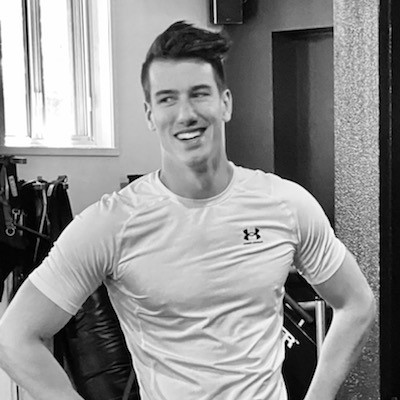
About the author
Guillaume Duchesne, kinesiologist
A kinesiology graduate from Université de Montréal, he worked with the Montreal Alouettes and trains clients in person in Montreal and online across Quebec.
In this article
Train with Guillaume
Online anywhere in Quebec or in person in Montreal
Reply within about 24 hours
Read also


Sign up
Ready to get started?
Reply by email within about 24 hours, then an initial video meeting.